Tottenham Hotspur 2-3 Aston Villa
PREMIER LEAGUE | GW5 | 19.09.2026
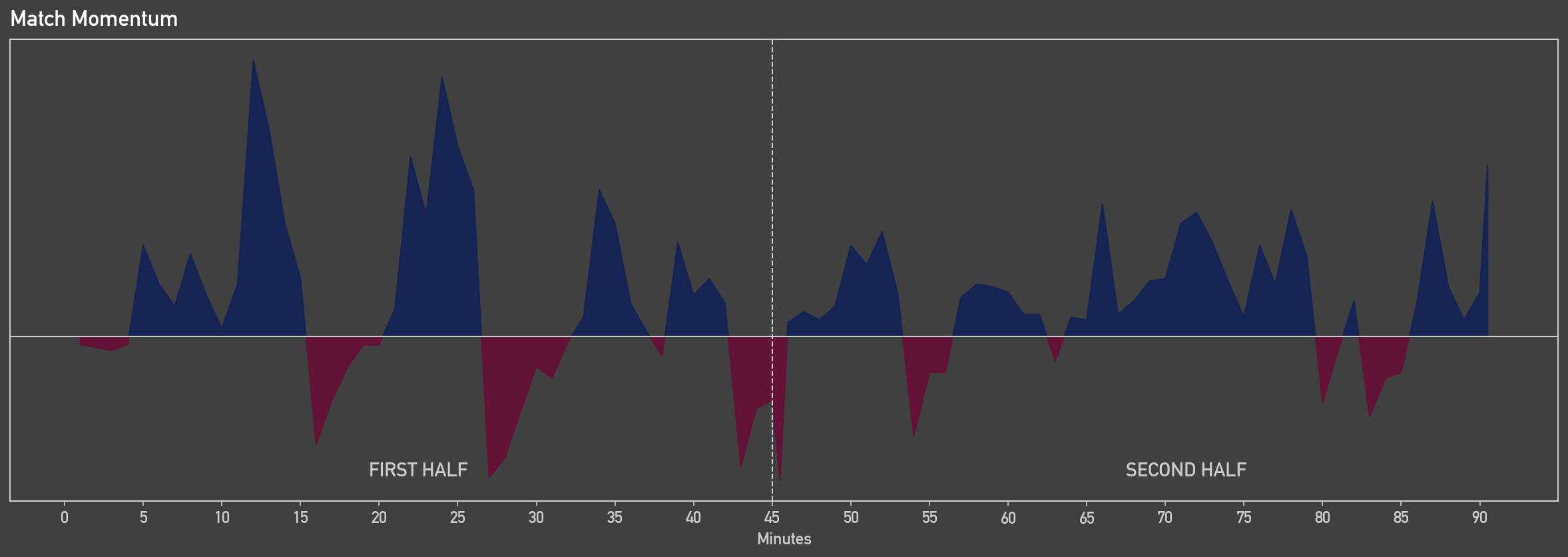
Overview
Spurs head into the international break bottom of the Premier League following a home defeat to Aston Villa. It was another encouraging start, but some impressive shot-stopping from Zion Suzuki kept Spurs at bay. Once again, it felt as though the players' confidence began to fade, with individual errors, an inability to deal with long balls and an absolute wonder goal leaving Spurs 3-0 down. There was however a welcome show of character as Spurs finally found the net, twice, after more than seven hours without a goal in the league.
Out of Possession
The slow tempo of Spurs' possession, combined with Aston Villa's low block (12.6 OPPDA), meant that Spurs once again struggled to generate high-quality chances. In their usual 3-2-5 structure, Spurs attempted to access the half-spaces, but with varying degrees of success. But, the structure of the team of the team might not be the reason for the lack of attacking threat, but rather the inabilty to exploit the spaces that the structure creates.
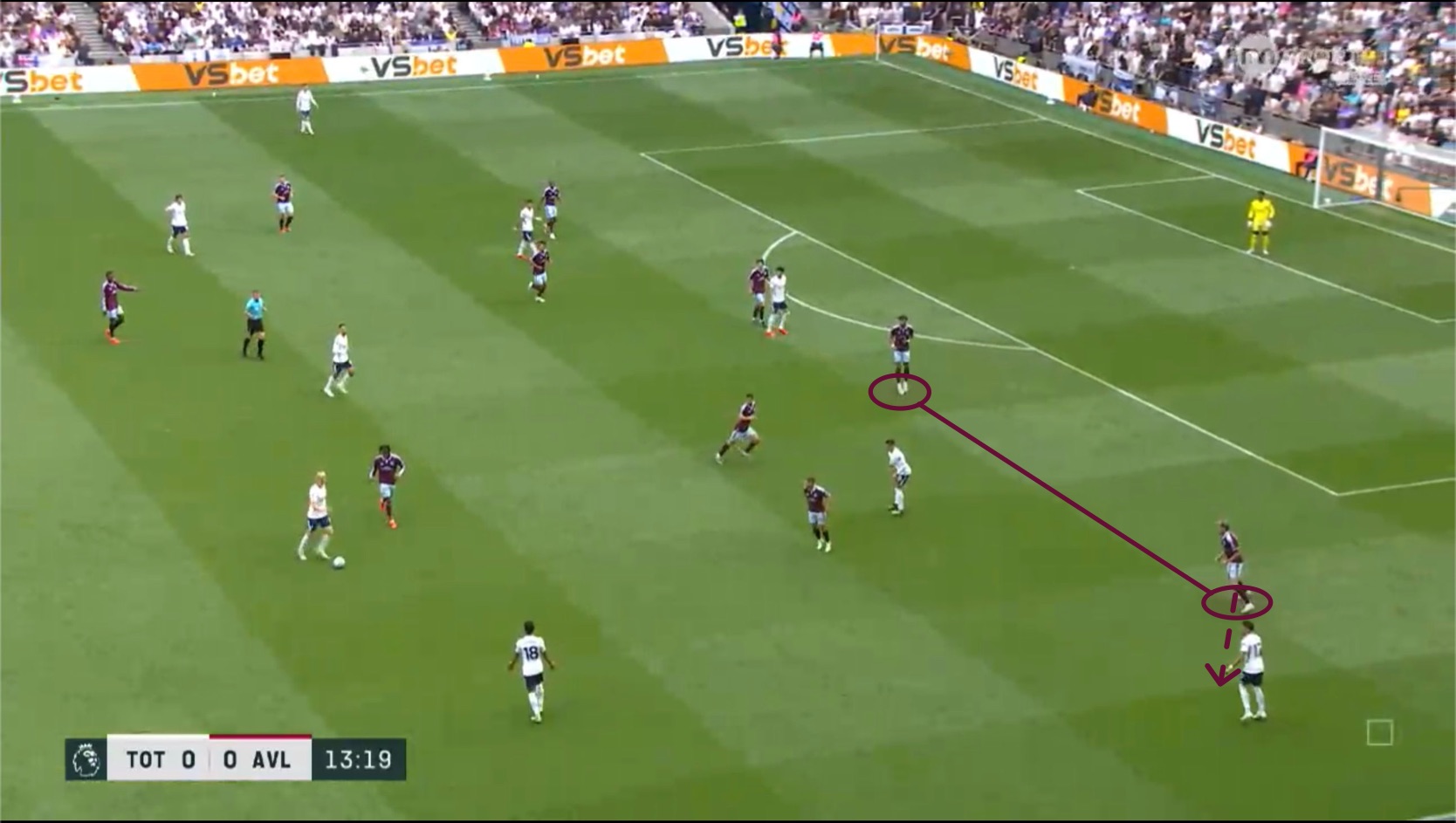
Image 1: Spurs' attacking dymnamics on the right side of the pitch created a large gap in Aston Villa's back line.
In Image 1, we see Spurs' familiar attacking set-up, with Sávio holding the width while Pedro Porro and Mateus Fernandes rotate between right-back and the right half-space. Unusually, however, Ruggeri marked Sávio aggressively in the opening stages, leaving a significant gap between himself and Tyrone Mings.
Spurs attempted to exploit this space through rotations between Fernandes and Porro, supported by Van Hecke's passing ability. The problem was that these players, along with Sávio out wide, consistently looked to receive the ball to feet. Against Villa's compact defensive structure, this allowed the defenders to close down the receiving player and contest possession before Spurs could make meaningful progress. There was little attempt to run in behind and exploit the space between Mings and Ruggeri, a potentially far more dangerous scenario.
That changed when Archie Gray came onto the pitch. His blindside run between Ruggeri and Mings in the 21st minute created precisely the kind of threat that had been missing, leading to a chance that Suzuki saved brilliantly. This pattern of slow possession and a preference for receiving to feet have made it difficult for Spurs to turn territorial control into genuinely dangerous chances so far this seasons.
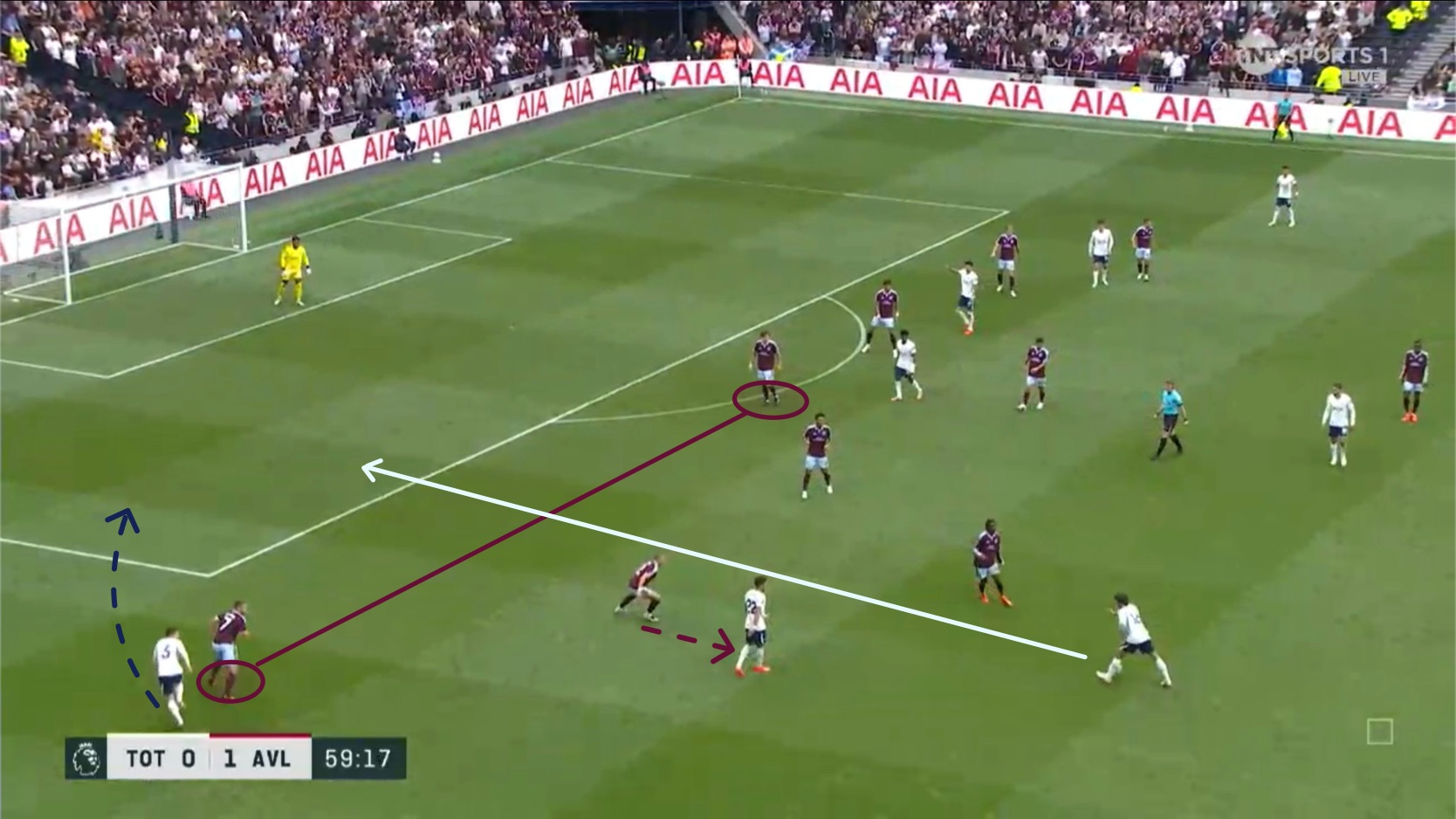
Image 2: Spurs' attacking dymnamics on the left side of the pitch leading to a disallowed goal.
Image 2 shows a different dynamic on the left. Here, Marmoush looks to find space in the pockets, while Robertson holds the width and Tonali offers an option in midfield. When Cash follows Marmoush into the half-space, another gap opens between Lindelöf and McGinn, who is tracking back. The key difference is Robertson's willingness to run in behind, combined with Tonali's penetrating pass. This forces Villa's defenders to turn and run towards their own goal and, despite Robertson ultimately being flagged offside, the move resulted in Spurs putting the ball in the net.
This was arguably one of Spurs' most dangerous attacking sequences of the game. It demonstrated how a greater willingness to attack space in behind can create more threatening situations, especially when teams have tended to resist pressing Spurs so far this season.
A similar principle was evident in Spurs' first goal, which came just minutes after Conor Gallagher replaced Tonali. Gallagher's run into the box allowed him to meet Kudus' delivery for a simple tap-in. It was the kind of aggressive, forward movement that Spurs have too often lacked from their deeper midfielders, with Tonali and Bentancur rarely making comparable runs into the penalty area.
The second goal offered another interesting insight into Spurs' attacking patterns. Robertson delivered an outswinging free-kick towards Van Hecke's back-post run, a routine Spurs had attempted earlier in the 64th minute, only for Suzuki to collect the delivery. They had also tried the same routine against Everton five minutes into that match, where it led to another opportunity for Van Hecke. The repetition suggests this is a rehearsed set-piece pattern, making it particularly satisfying to see it finally produce a goal.
Out of Possession
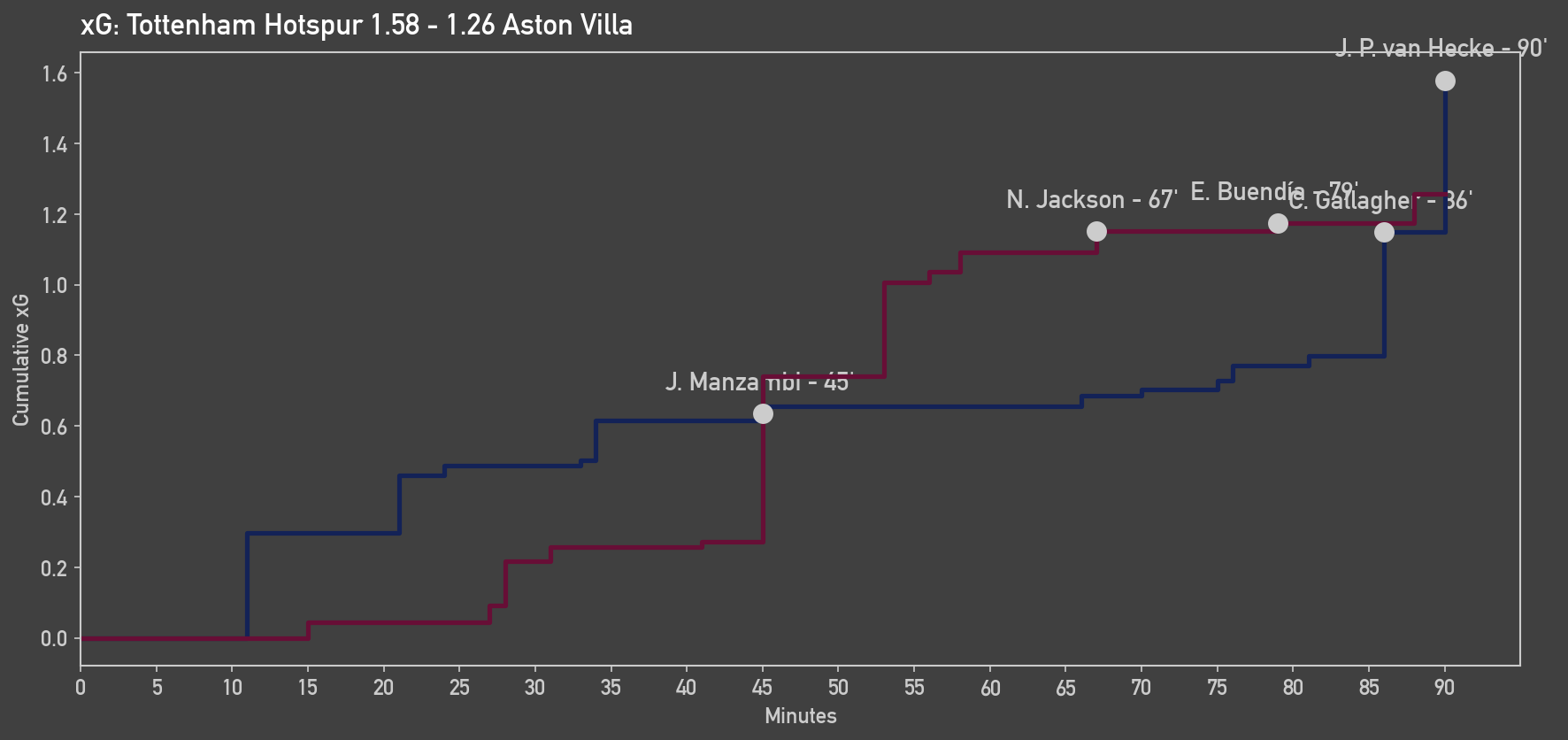
While Spurs did concede three goals, the overall defensive performance was not necessarily as alarming as the scoreline suggests. The first goal followed a Robertson error as he attempted to keep the ball in play, while the third came from a spectacular Emiliano Buendía strike worth just 0.02 xG. The more concerning aspect of the performance was Spurs' inability to deal with Villa's long balls.
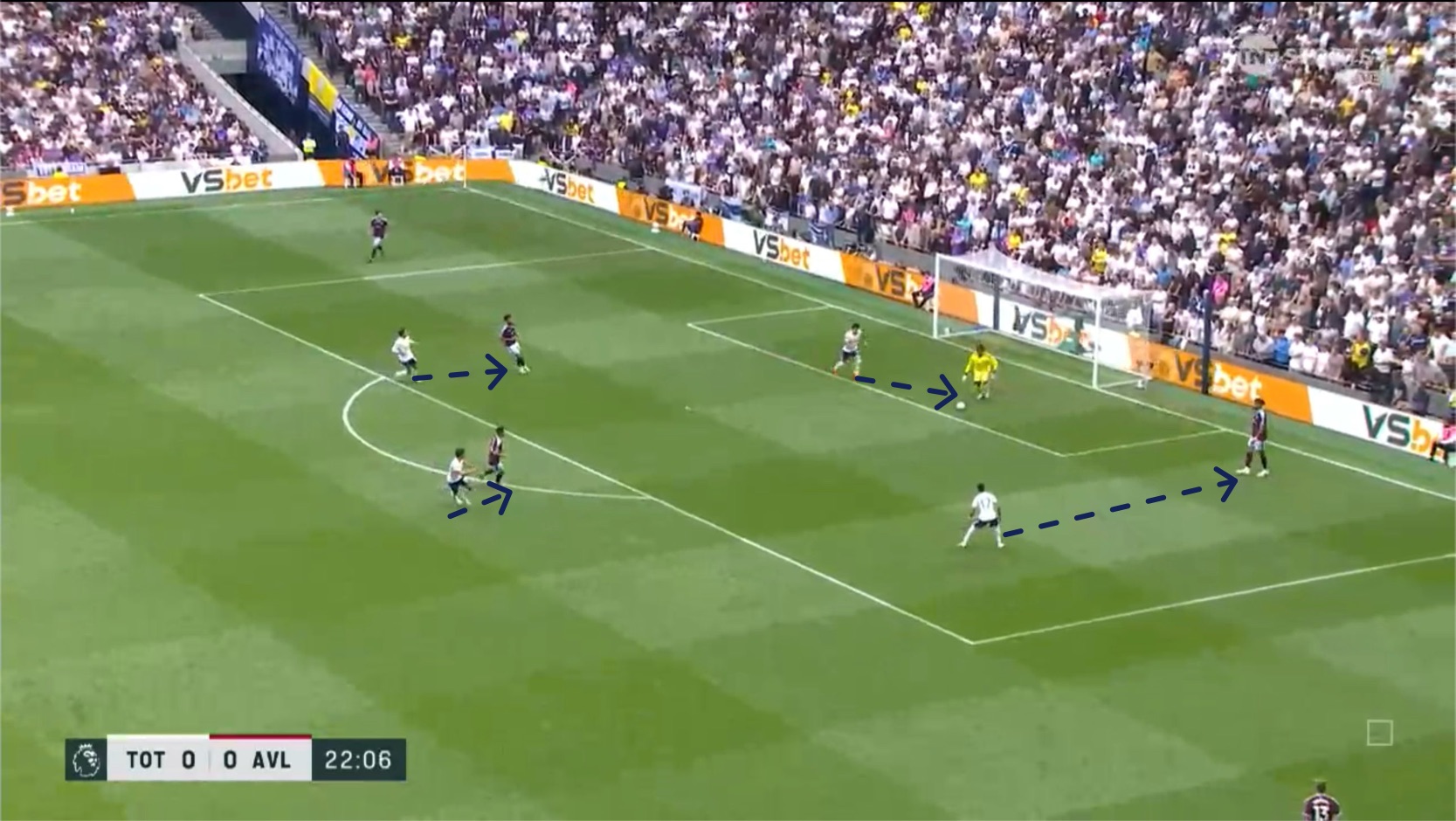
Image 3: Spurs' man-to-man press when the ball went back to Zion Suzuki.
In the opening stages, Spurs implemented an aggressive man-to-man press when the ball was played back to Zion Suzuki, as shown in Image 3. This proved effective in forcing Villa towards their left-hand side, where Mings and Ruggeri appeared uncomfortable under pressure. Spurs won possession back high up the pitch on several occasions, demonstrating the potential rewards of their aggressive approach.
However, around the 30th minute, Villa began to bypass the press more frequently, opting to play long rather than build from the back. Whether this was a deliberate tactical adjustment from Unai Emery or an instinctive response from the players is difficult to say, but it proved effective. A key factor was Suzuki's distribution.
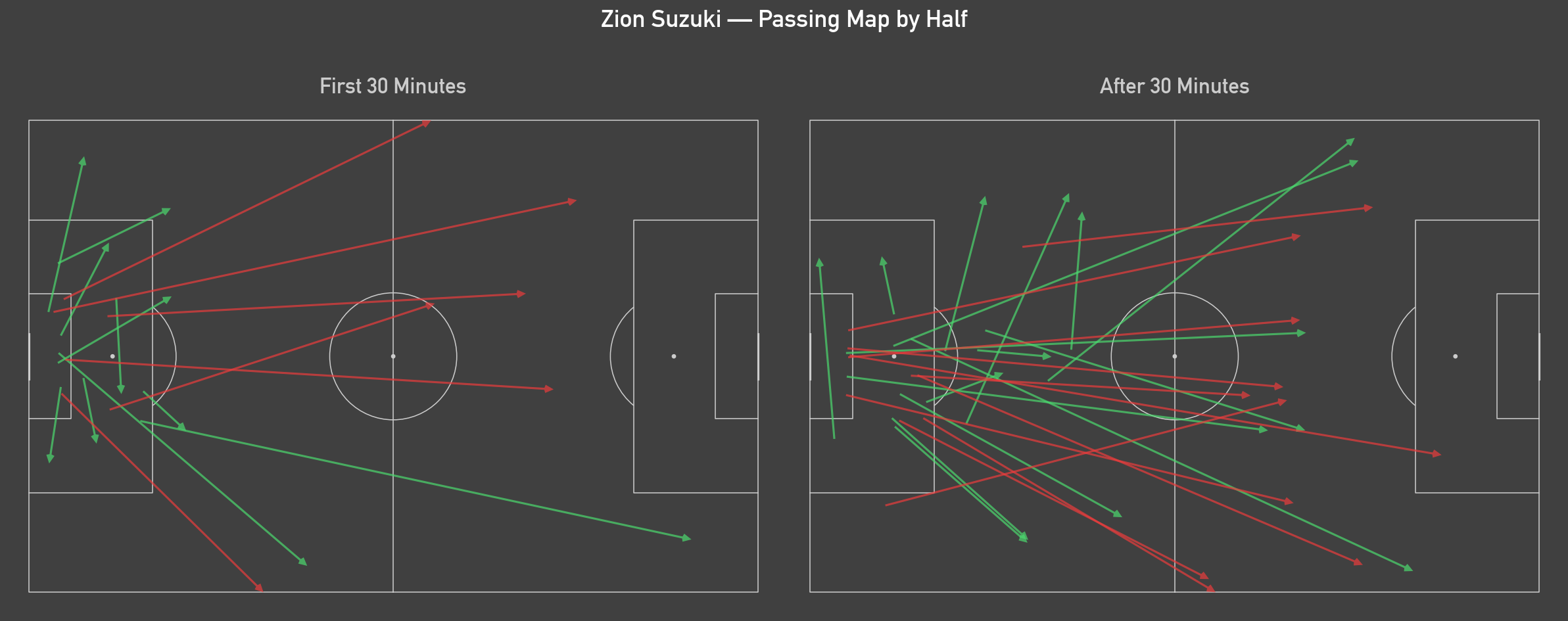
Figure 1: Zion Suzuki's pass map from the first 30 minutes compared to the remainder of the match.
Figure 1 compares Suzuki's pass map from the opening 30 minutes with the remainder of the match. There was a clear shift in his decision-making with 38% of his passes in the first 30 minutes played into Spurs' half (6/16), compared to 63% for the remainder of the game (17/27). Of those 17 passes into Spurs' half after the opening 30 minutes, only six were successful. But despite this low completion rate, Villa were frequently able to contest and recover the resulting second balls, exploiting the space left behind by Spurs' aggressive press. Van Hecke and Van de Ven also struggled to deal with Nicolas Jackson's physicality and movement, a weakness that was directly exposed in Villa's second goal.
This is an issue De Zerbi will need to address. The benefits of an aggressive press are clear as it can force turnovers in dangerous areas and create immediate scoring opportunities. However, when opponents bypass that press, the space left behind can leave the defence exposed. If Spurs continue to struggle with long balls and second-ball situations, opposition managers may increasingly look to exploit this vulnerability.
Final Thoughts
This will be a difficult result for De Zerbi and his team to digest, particularly given that Spurs recorded the higher xG (1.58 to Villa's 1.26). Heading into the international break bottom of the table, with just two points from their opening five games, will only add to the frustration.
However, Spurs have finally managed to find the back of the net and there are encouraging signs in the way De Zerbi has structured the team. The underlying numbers suggest Spurs' league position may not fully reflect their performances, with Opta's expected table placing them 13th. While these metrics cannot guarantee a reversal of fortunes, there are reasons to remain optimistic. If Spurs can translate their possession into more dangerous chances in the final third, I believe this team has the potential to turn its season around.