Chelsea 0-2 Tottenham Hotspur
PREMIER LEAGUE | GW8 | 24.10.2026
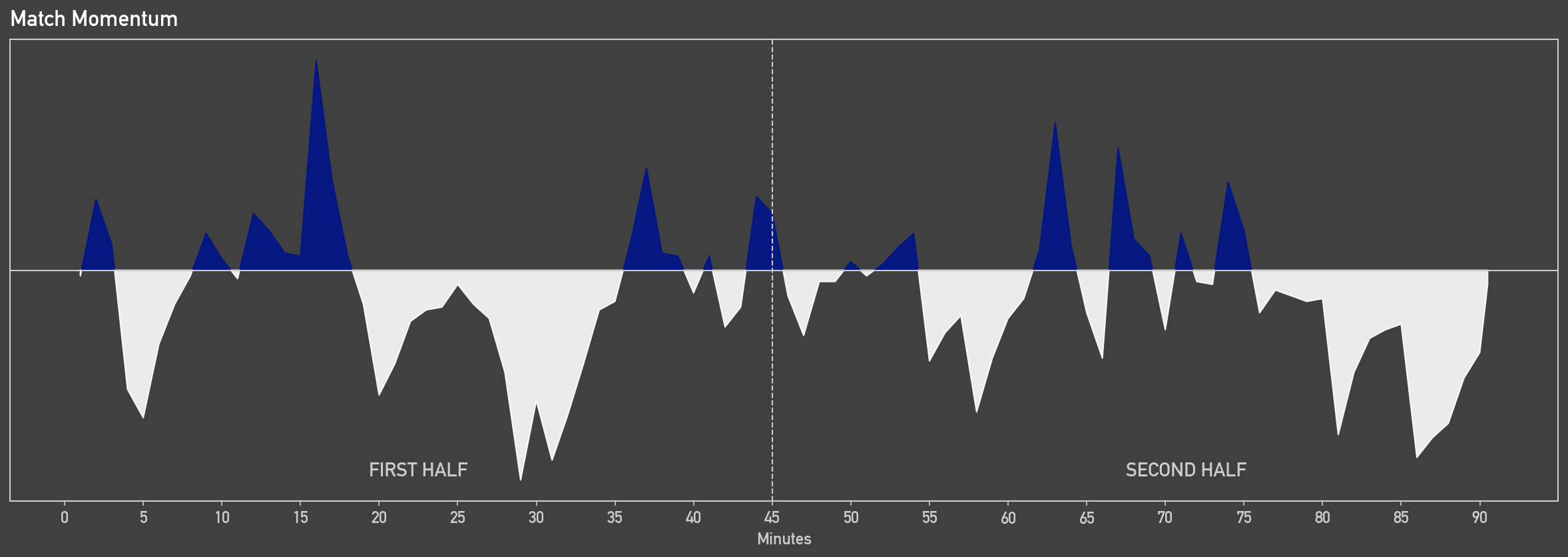
Overview
Tottenham secured a rare victory at Stamford Bridge, beating Chelsea for only the second time in 35 Premier League meetings at the ground. On a blustery night in West London, a mistake from Mike Penders gifted Spurs the lead before Cole Palmer was sent off in the 80th minute. Mathys Tel then capped an impressive performance with a superb solo run and finish from outside the box to seal all three points.
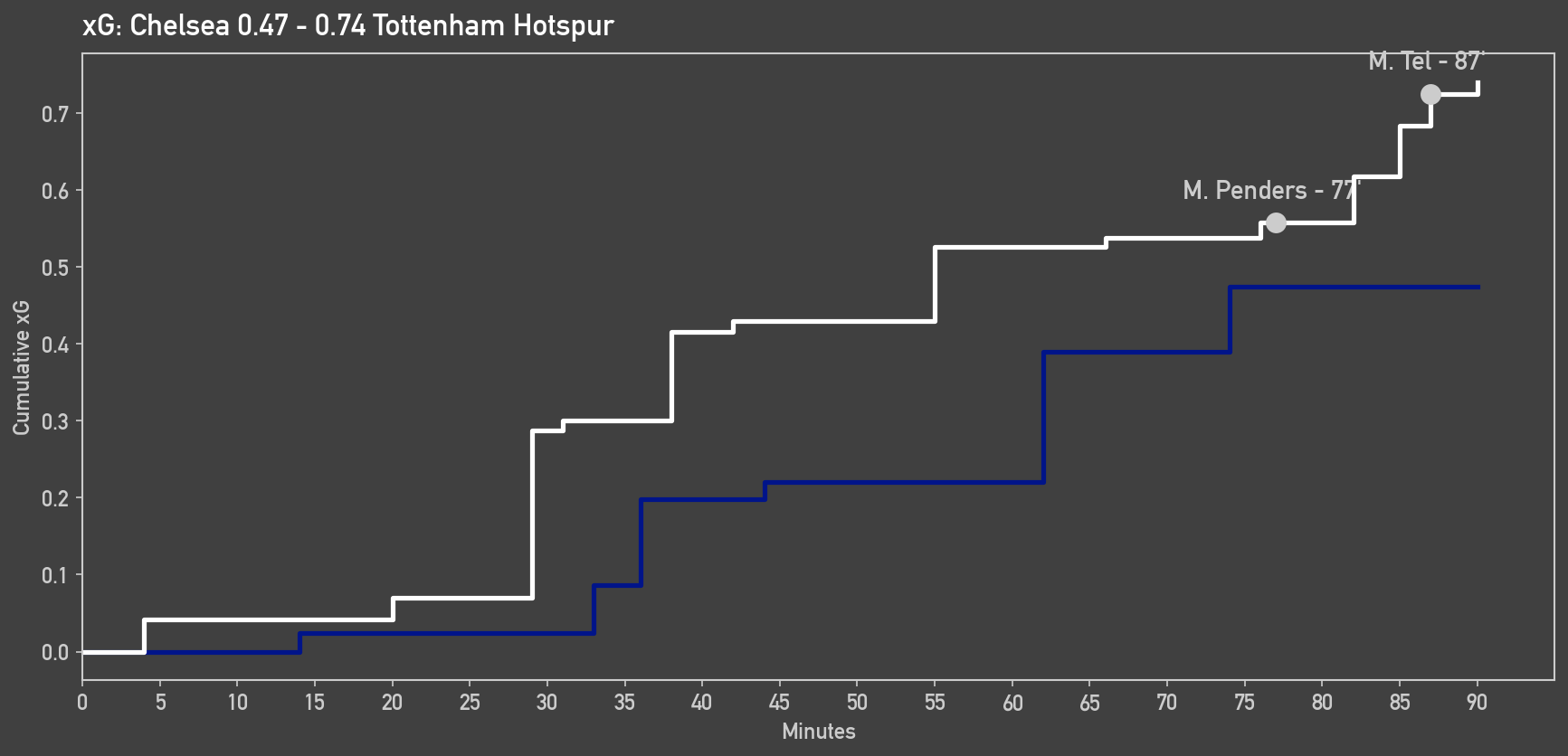
Much of the credit must go to Roberto De Zerbi, whose tactical ideas came to fruition against Chelsea's aggressive man-to-man press. While Spurs have struggled at times this season against passive, deep-lying opposition, Chelsea's attempts to press high created opportunities to exploit space in midfield and progress the ball into attacking areas. Spurs enjoyed 69% possession, although their dominance did not translate into a particularly productive attacking performance. They recorded just 0.74 xG, with an average shot quality of only 0.05 xG, highlighting their continued struggles to create high-quality chances in the final third.
Spurs have now collected seven points from a possible nine since the international break, a run that has included trips to both Old Trafford and Stamford Bridge. There are encouraging signs that the squad is adapting to De Zerbi's approach, with performances becoming increasingly assured. Mathys Tel is one play I would like to highlight. After a difficult start to the season and a clash with De Zerbi following the Everton game in September, his display against Chelsea showed a player growing in confidence. His goal was the perfect illustration of how a few positive results can transform the mood and belief within a squad.
Midfield Overload
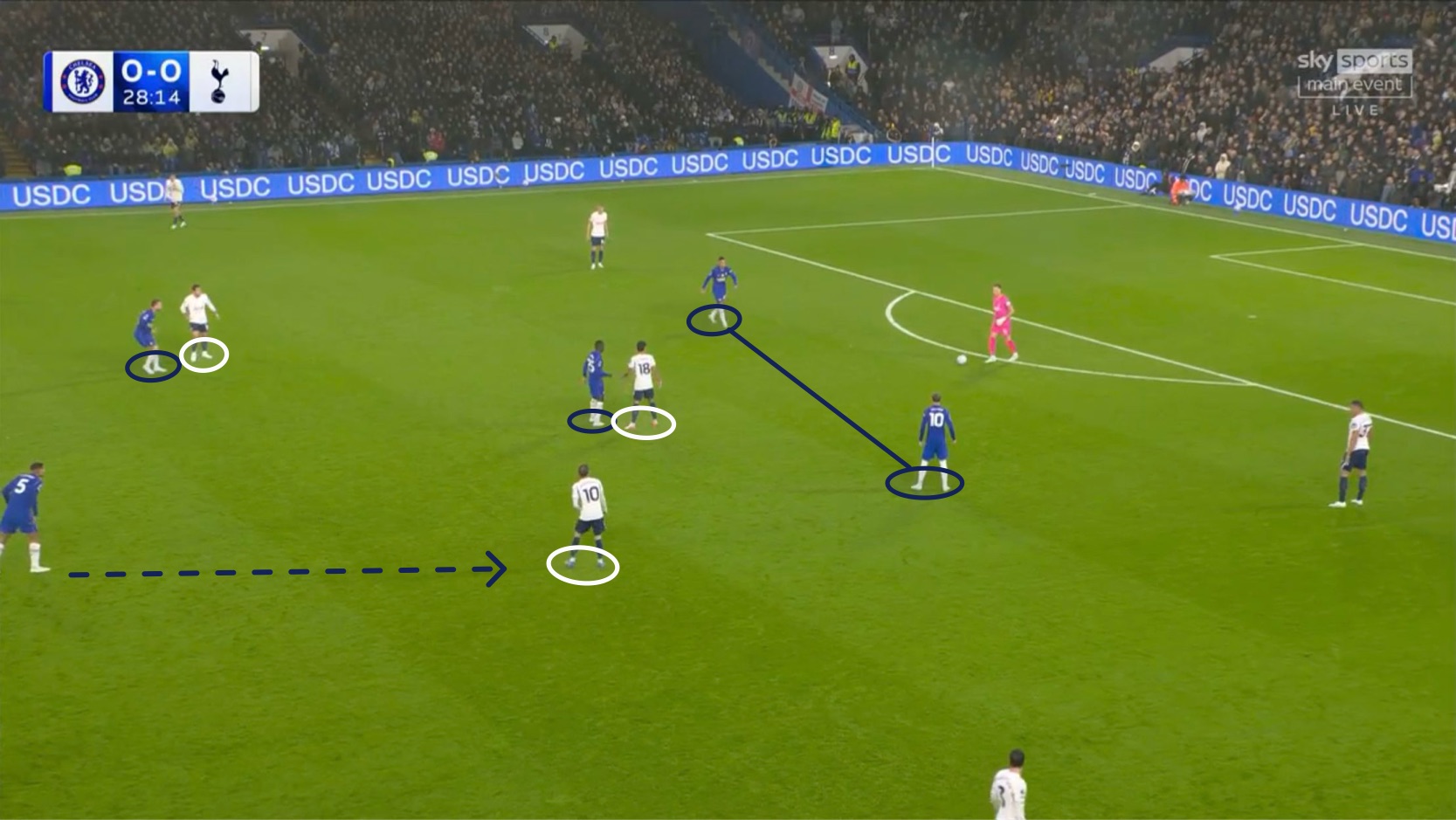
Image 1: Chelsea's man-to-man press with Maddison dropping into midfield to create a 3v2 overload. Lacroix is forced to drop deep to balance the midfield.
A key factor in Spurs' success was their ability to consistently create numerical advantages in midfield. Chelsea defended in a 4-4-2 shape, with Cole Palmer joining Morgan Rogers in the first line of the press. Kinsky, alongside van de Ven and van Hecke, formed a 3v2 against this front line, while Gray and Robertson positioned themselves wide to stretch Chelsea's midfield four.
The key detail, particularly in the first half, was the intensity of Chelsea's man-to-man pressing. Caicedo and Henderson stayed tight to Fernandes and Tonali, in an attempt to limit their ability to progress the ball centrally. James Maddison was often the solution, dropping into midfield to create a 3v2 overload, as shown in Image 1. This presented a dilemma for Chelsea's centre-backs: follow Maddison into midfield and risk leaving a 3v3 in the final line, or hold their positions and allow Spurs to progress through the numerical advantage. More often than not, Lacroix or Colwill chose to track Maddison deep. However, quick combinations allowed Spurs to exploit the resulting space and bypass the press, creating dangerous attacking transitions.
Credit must also go to Spurs' wide players, whose individual qualities made this approach effective. Kudus' ability to retain possession under pressure was crucial to beating the press, while Tel's width and willingness to attack defenders provided an important outlet throughout the game. Image 1 perfectly illustrates De Zerbi's principle of "baiting the press", in a passage of play in where Spurs manipulated Chelsea's press to create a midfield overload before producing a fantastic chance for Marmoush (0.22 xG), which he should have converted.
Chelsea's aggressive pressing was a major factor in Spurs' first-half success, but their approach changed after the interval. Credit must go to Xabi Alonso for the adjustment, with Chelsea appearing more content to defend in their 4-4-2 shape rather than commit as aggressively to the press. The number of Chelsea's defensive actions in the Spurs half fell from 15 in the first half to eight in the second, supporting the observation that their pressing intensity decreased.
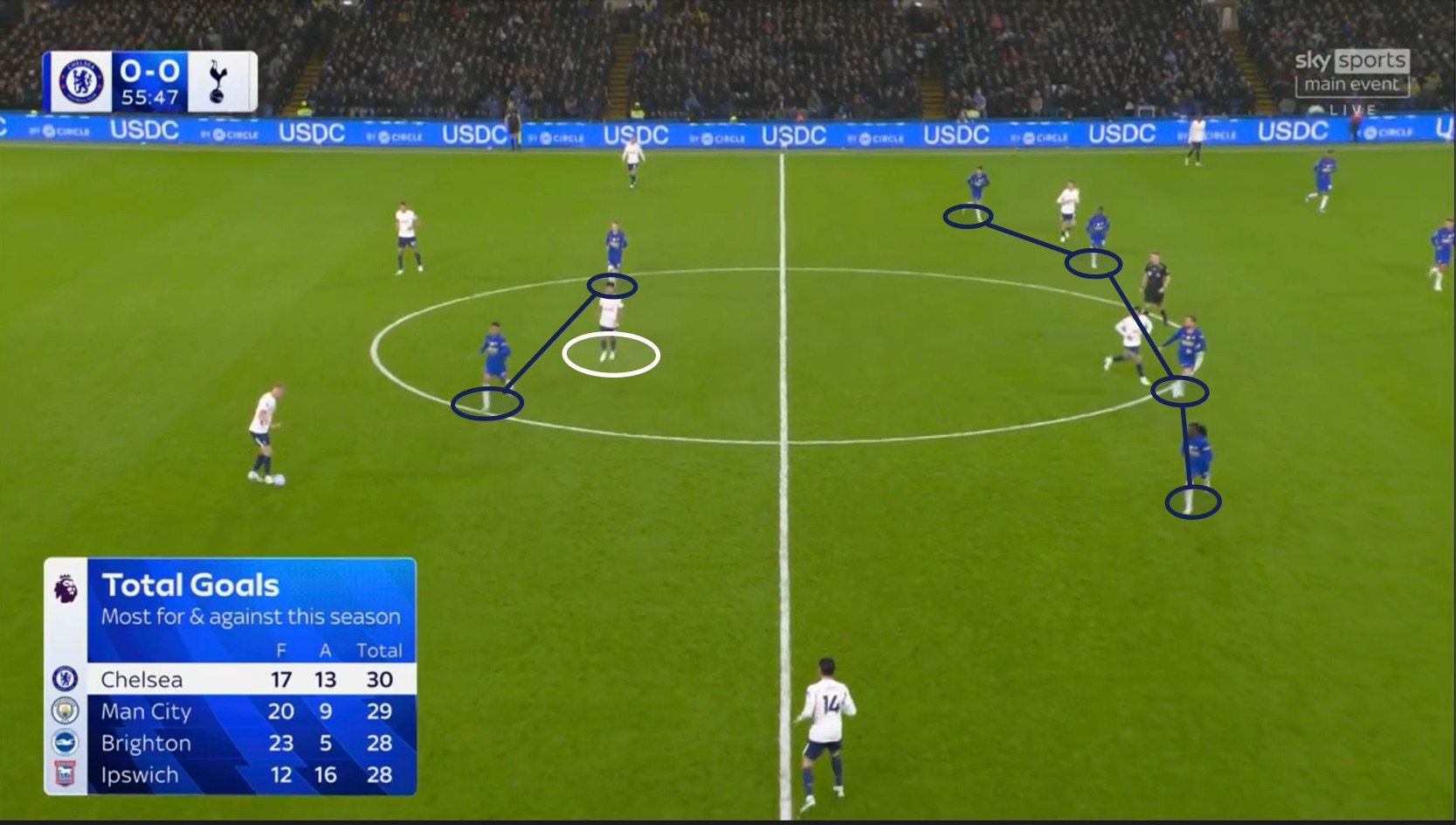
Image 2: Chelsea's less aggressive press in the second half, sitting in a compact 4-4-2 shape.
Image 2 illustrates this change. Caicedo and Henderson remained tight to Tonali and Gallagher, while Fernandes was allowed to drop deeper to receive possession. With Chelsea's midfield maintaining its positions rather than aggressively following players into deeper areas, their centre-backs were less frequently forced to step forward and address Spurs' overloads. This helped preserve the defensive structure and provided greater protection across the back line.
The adjustment appeared to have some success in limiting Spurs' attacking output. Tottenham recorded 0.43 xG in the first half, compared with 0.31 after the break. While other factors like the loss of Maddison to injury in the 51st may have contributed to this, it once again shows how Spurs struggle to break down depper, more compact teams.
Spurs' Hybrid Pressing Structure
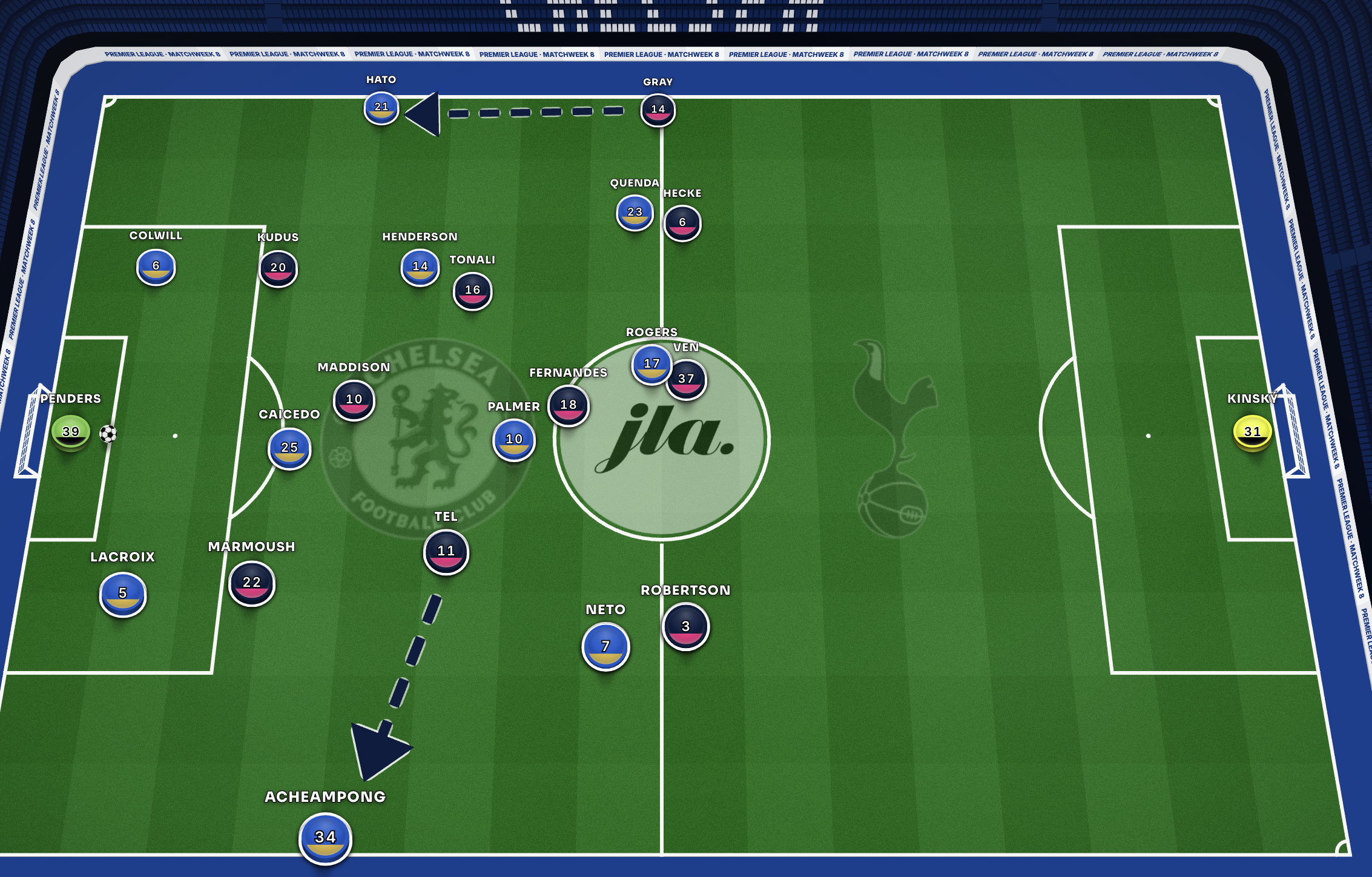
Image 3: A diagram of Spurs' hybrid pressing structure.
Whereas Chelsea implemented an aggressive man-to-man press, Spurs adopted a hybrid pressing structure that proved effective in limiting Chelsea's ability to build from the back. Image 3 shows Chelsea's 4-3-3 shape during the first phase of build-up, with the fullbacks positioned wide and Cole Palmer dropping into midfield to offer a passing option.
The key detail was Mathys Tel's movement into midfield, creating a 4v3 numerical advantage for Spurs in the centre of the pitch. This allowed Fernandes to track Palmer without leaving Spurs vulnerable to an overload in midfield. However, the narrow structure also conceded space to Chelsea's fullbacks, who were often available to receive possession in wider areas. Spurs accounted for this by having Gray and Tel ready to press the fullbacks when the ball was played out to them.
Although this aggressive response could leave the Spurs back three defending a 3v3, it was a risk they appeared comfortable taking. Chelsea lacked a recognised striker, reducing their physical presence against the Spurs defenders when possession was played long. As a result, the back three were generally able to deal with these direct balls and help Spurs regain possession, limiting Chelsea's opportunities to bypass the press.
Overall, Spurs' approach proved highly effective, restricting Chelsea to just 0.47 xG. This represented Spurs' strongest defensive performance of the season so far and demonstrated how their hybrid pressing structure could disrupt Chelsea's build-up without consistently exposing the defensive line.
Chelsea's Defensive Corners
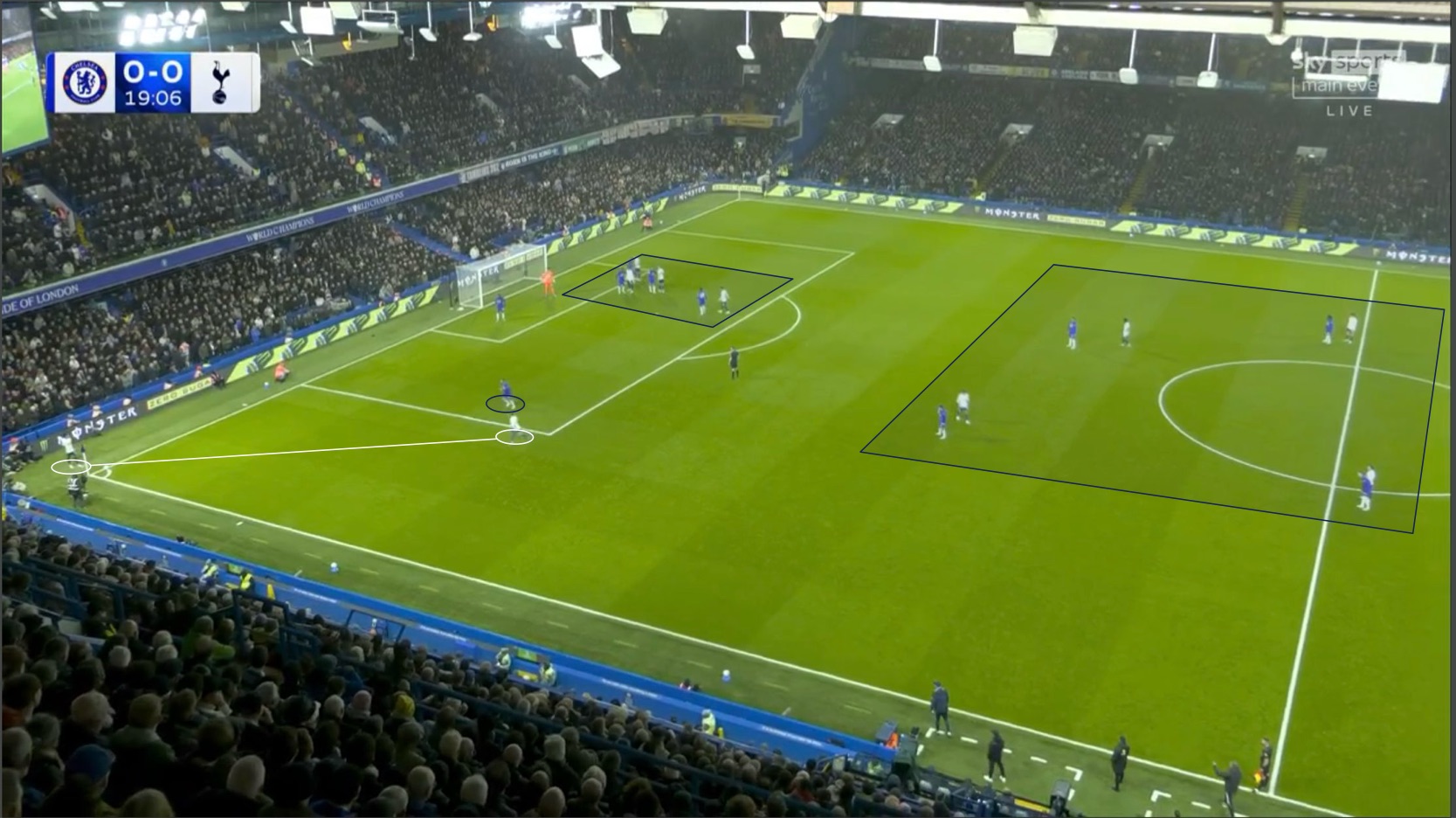
Image 4: Chelsea leaving four players high during defensive corners. This left a 4v4 in the box with the possibility for a Spurs 2v1 from short corners.
Another interesting detail was Chelsea's approach to defending corners, which I think Spurs could have exploited more effectively. As shown in Image 4, Chelsea left four players high rather than committing their entire team to defending inside the penalty area. This approach has been implemented by various Premier Legaue teams within the last few seasons due to the rise in goals from set-pieces. By leaving players forward, the defending team forces the opposition to retain players deeper to protect against counter-attacks. In theory this reduces congestion in the penalty area, giving the goalkeeper more space to move off their line and claim deliveries. This was a slightly unusual system for Chelsea to implemet, given that Spurs has scored just one goal from set-pieces so far this season.
However, I think Chelsea's approach actually created an opportunity for Spurs. With four Chelsea players positioned high and an additional defender guarding the front post, Spurs were left with a 4v4 in the main area of the box. Furthermore, bringing a player short created the potential for a 2v1 in a wide area. If executed effectively, this would allow Spurs settled possesion in Chlesea's final third, with space to exploit in the box, beofre the Chelsea players could recover.
Despite this opportunity, Spurs played only two of their six corners short. But interestingly, Spurs' opening goal did come from a direct delivery into the penalty area, demonstrating that the conventional approach remained effective. Nevertheless, Chelsea's defensive set-up presented an alternative route to creating dangerous attacking situations that Spurs might have exploited more frequently.
Final Thoughts
Overall, this was a very encouraging performance that demonstrated how effective De Zerbi's approach can be against teams that press aggressively. The key challenge remains whether he can adapt his system to overcome opponents who defend in a low block, where the space available to exploit is considerably more limited.
Nevertheless, this result should provide a significant psychological boost to the squad. Performances against the likes of Manchester United and Everton, where Spurs played well but failed to take all three points, will have been frustrating. But to travel to Stamford Bridge, execute De Zerbi's ideas so effectively and secure a convincing victory should reinforce the players' belief in the system.